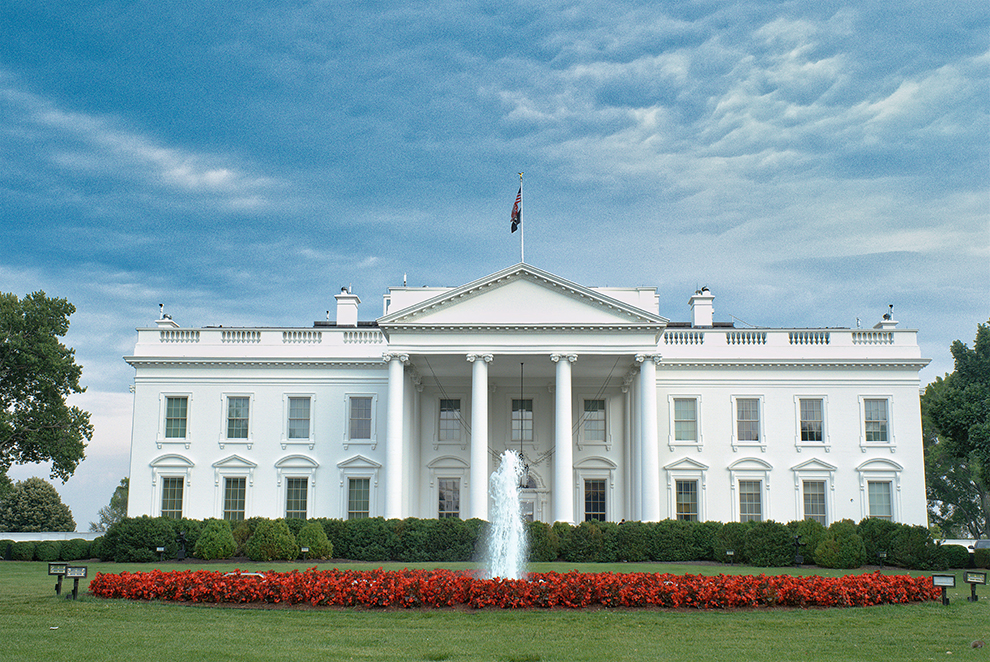
WASHINGTON — The White House has unveiled a sweeping proposal that would significantly expand presidential control over billions of dollars in federal grants, potentially reshaping how government funding is distributed across healthcare, housing, scientific research, transportation, and other sectors.
The nearly 400-page blueprint, released quietly on May 29, would require all federal grant awards to receive approval from politically appointed officials to ensure that funded programs “clearly advance the President’s policy priorities.” The proposal reflects the Trump administration’s broader effort to align federal spending more closely with its political agenda.
Under the proposed regulations, federal funds would be barred from supporting projects or organizations that “deny biological sex realities or human sexual dimorphism.” Grants would also be restricted from programs deemed to promote “anti-American values,” facilitate illegal immigration, advance diversity, equity, and inclusion (DEI) initiatives, or assist voter registration efforts.
The proposal further introduces stricter oversight of grant recipients, including reviews of compliance with religious freedom laws and scrutiny of affiliations with outside organizations. The administration would gain expanded authority to terminate funding if recipients are determined to be acting contrary to the public interest.
Administration officials, speaking anonymously, said the changes are intended to improve transparency, accountability, and efficiency in federal grant-making while aligning funding decisions with existing laws and recent presidential directives.
However, critics argue that the proposal represents an attempt to achieve through administrative rulemaking what previous executive actions could not accomplish. During both his first term and his return to office, President Donald Trump sought to freeze federal spending and reduce funding for agencies such as the National Institutes of Health (NIH), efforts that faced resistance from Congress and were repeatedly challenged in federal courts.
Sarah Saadian, vice president of public policy and field organizing at the National Council of Nonprofits, said the proposed regulations appear designed to circumvent previous legal setbacks. She warned that if finalized in October, the rules could prove more difficult to overturn through litigation because they would be embedded in the federal regulatory framework rather than imposed through executive orders.
The proposal has generated particularly strong opposition from the scientific and medical communities. Researchers could face new restrictions on federally funded collaborations with foreign laboratories, research topics, and participation in academic conferences. The draft rules also state that political appointees should prioritize projects meeting what the administration describes as “gold standard science.”
Critics contend that such provisions risk politicizing scientific research and undermining academic independence. Cole Donovan, research policy director at Stand Up for Science, warned that the proposal could shift decisions about scientific merit away from expert peer review and place them in the hands of political officials.
If implemented, the new regulations would mark one of the most significant changes to federal grant administration in decades, raising fundamental questions about the balance between presidential authority, congressional oversight, and the independence of institutions that rely on government funding.