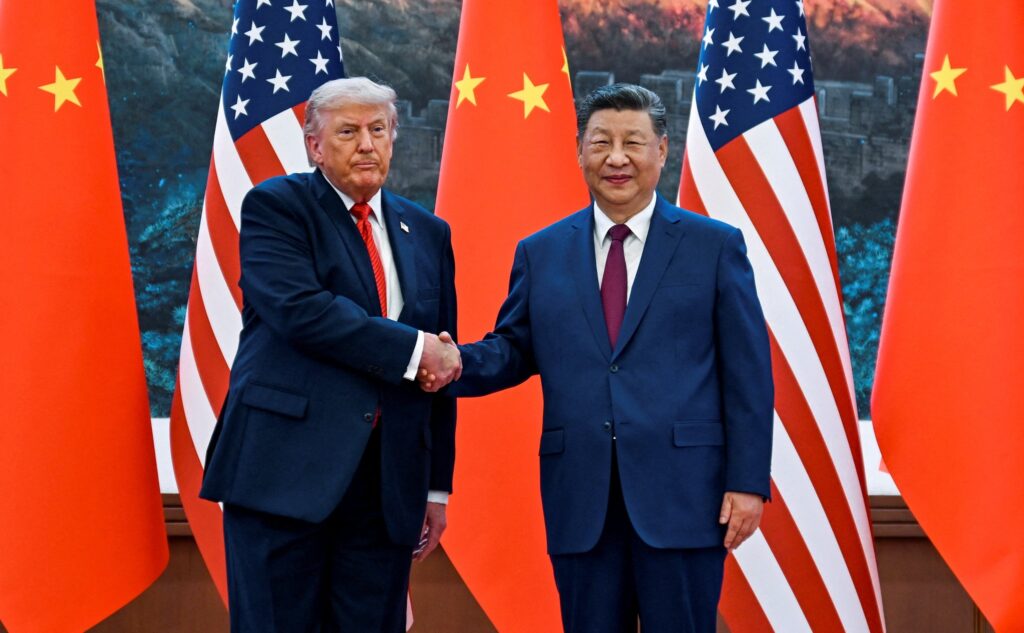
A visit by Donald Trump to China could affect the U.S. economy in several ways, depending on the goals of the trip, the agreements reached, and the broader political climate between the two countries.
Here are the main potential economic effects:
1. Trade Relations and Tariffs
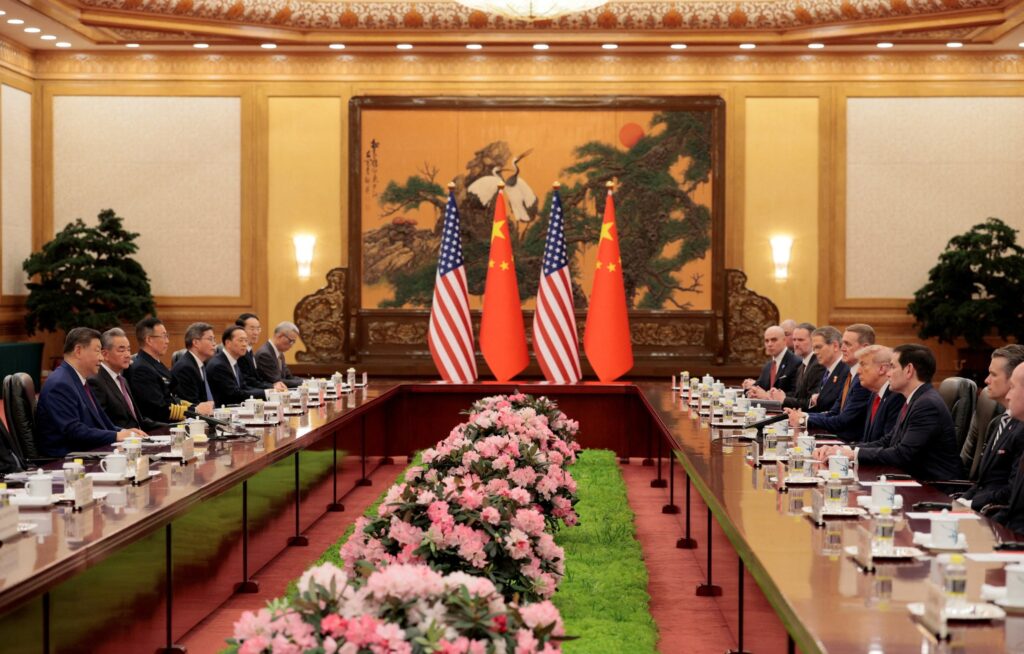
If the visit leads to improved U.S.-China relations, markets may expect:
- Reduced tariffs on imports and exports
- Easier access for American companies in China
- Lower costs for U.S. manufacturers relying on Chinese supply chains
That could help sectors such as:
- Technology
- Agriculture
- Consumer goods
- Automotive manufacturing
On the other hand, if negotiations become confrontational, investors may fear:
- New tariffs
- Trade restrictions
- Supply-chain disruptions
- Higher inflation from more expensive imports
2. Stock Market Reaction
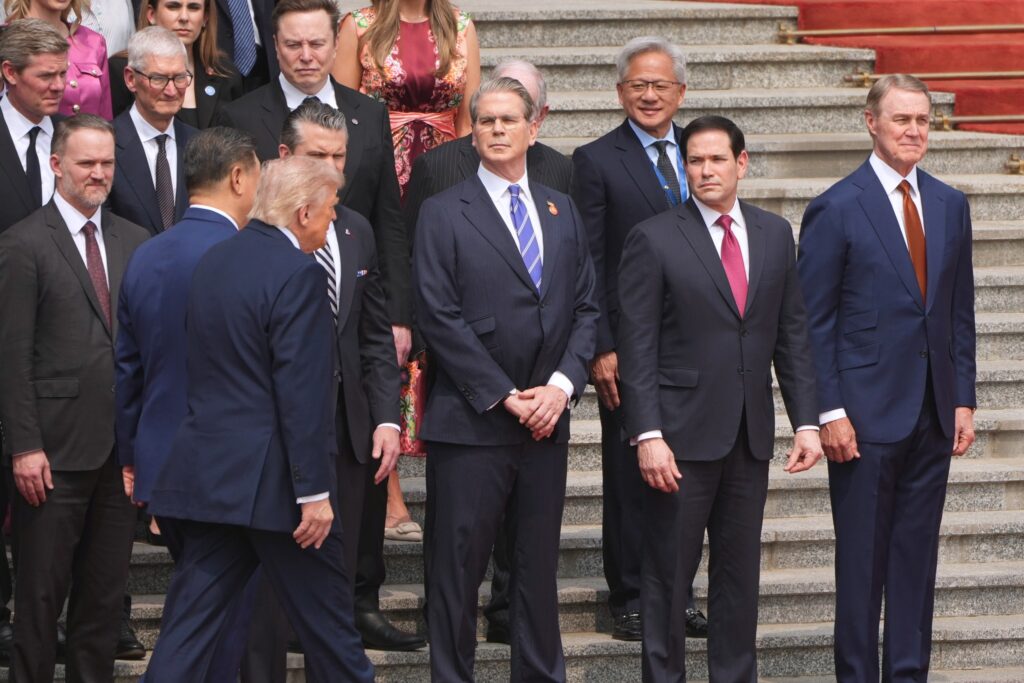
Financial markets usually react quickly to major U.S.-China diplomatic events.
Possible positive outcomes:
- Gains in stock indexes like S&P 500 and NASDAQ Composite
- Stronger performance for multinational corporations such as Apple, Tesla, and Boeing that depend on Chinese markets
Possible negative outcomes:
- Market volatility if tensions rise
- Declines in semiconductor, manufacturing, or export-related stocks
3. Agriculture and Energy Exports
China is one of the world’s largest buyers of:
- U.S. soybeans
- Corn
- Meat products
- Energy commodities like LNG
A successful visit could increase Chinese purchases from American farmers and energy producers, benefiting states heavily involved in exports.
4. Inflation and Consumer Prices
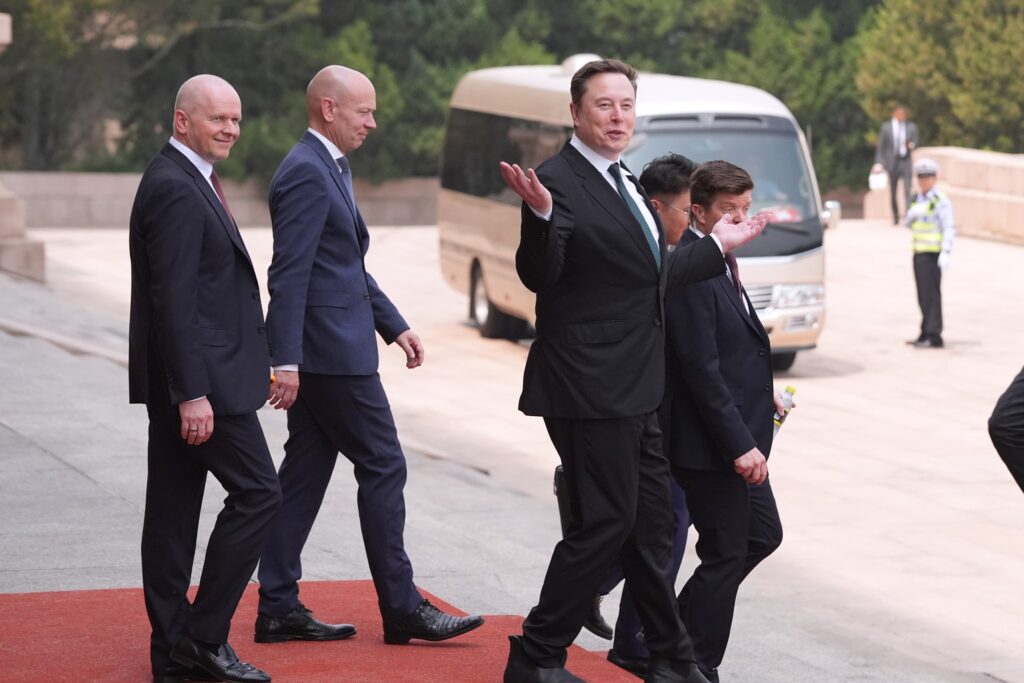
The U.S. imports large amounts of consumer goods from China.
If relations improve:
- Import costs may stabilize or decline
- Inflation pressure could ease somewhat
If relations worsen:
- Retail prices for electronics, clothing, appliances, and other goods could rise
5. Technology and National Security

A Trump-China meeting would also affect:
- Semiconductor policy
- AI competition
- TikTok and data-security issues
- Restrictions on advanced chip exports
Some industries may benefit from clearer rules, while others may face tighter regulations.
6. U.S. Dollar and Global Confidence
Major diplomatic meetings between the world’s two largest economies influence:
- Currency markets
- Global investment flows
- Business confidence worldwide
If the meeting signals stability, it may support stronger global growth expectations.
Political Reality
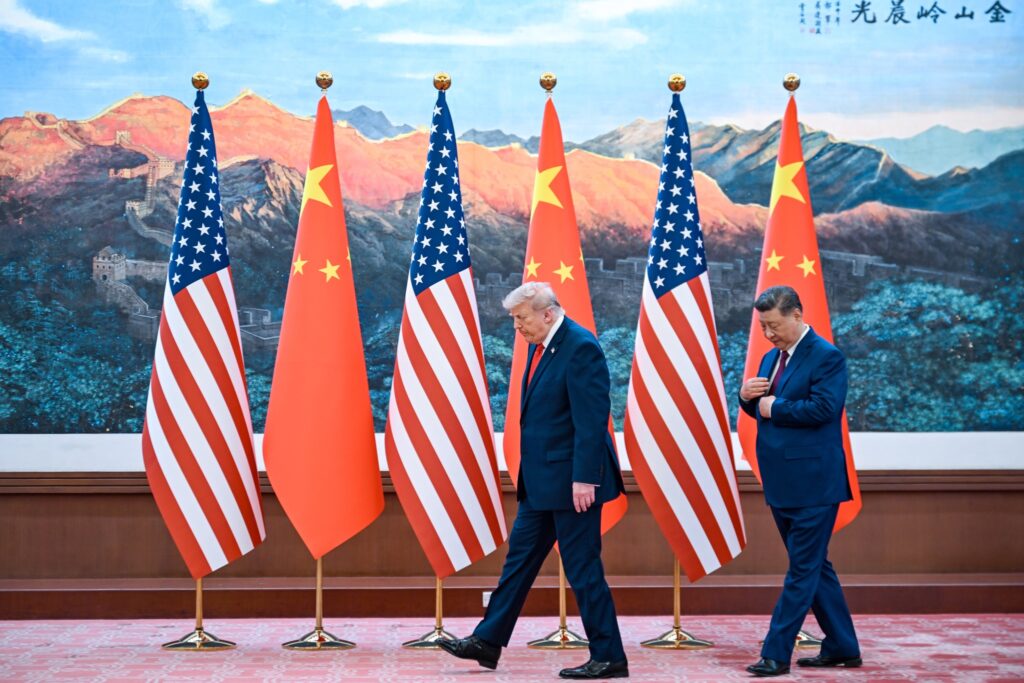
Even if a presidential visit creates optimism, long-term structural tensions between the U.S. and China remain:
- Competition in AI and technology
- Military and geopolitical rivalry
- Taiwan-related tensions
- Manufacturing independence and reshoring
Because of this, markets often react strongly in the short term, but the long-term economic effect depends on actual policy changes afterward.