Seven weeks into the U.S. air campaign against Iran, the effort has neither succeeded in toppling the clerical regime nor compelled Tehran to make comprehensive concessions. Instead, it has exposed the Trump administration’s inability to withstand the economic pressures triggered by the conflict, while also making it clear to global allies that President Trump, in pursuing his own strategic objectives, does not give adequate consideration to their geopolitical and economic security.
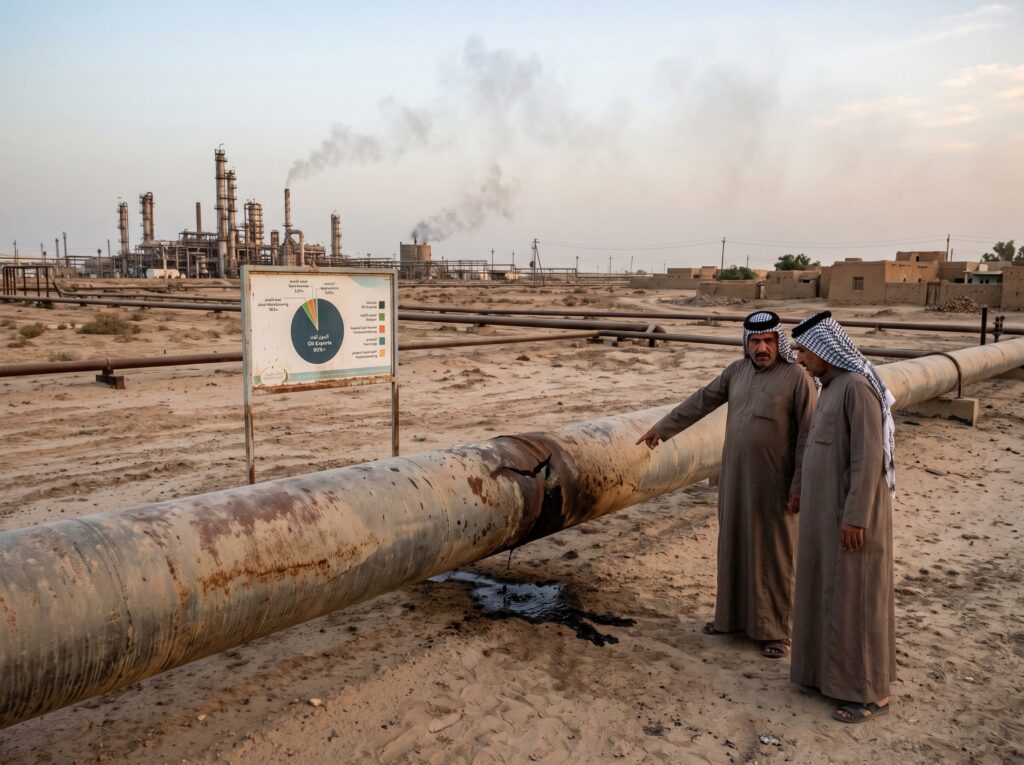
In an analytical piece published on Saturday (April 18), Reuters noted that while Iran has suffered heavy blows at the hands of the U.S. military, Trump and his aides underestimated Iran’s capacity for retaliation. By striking energy infrastructure in neighboring Persian Gulf states and tightening its grip on the Strait of Hormuz, Iran has triggered one of the most severe global energy crises in history.
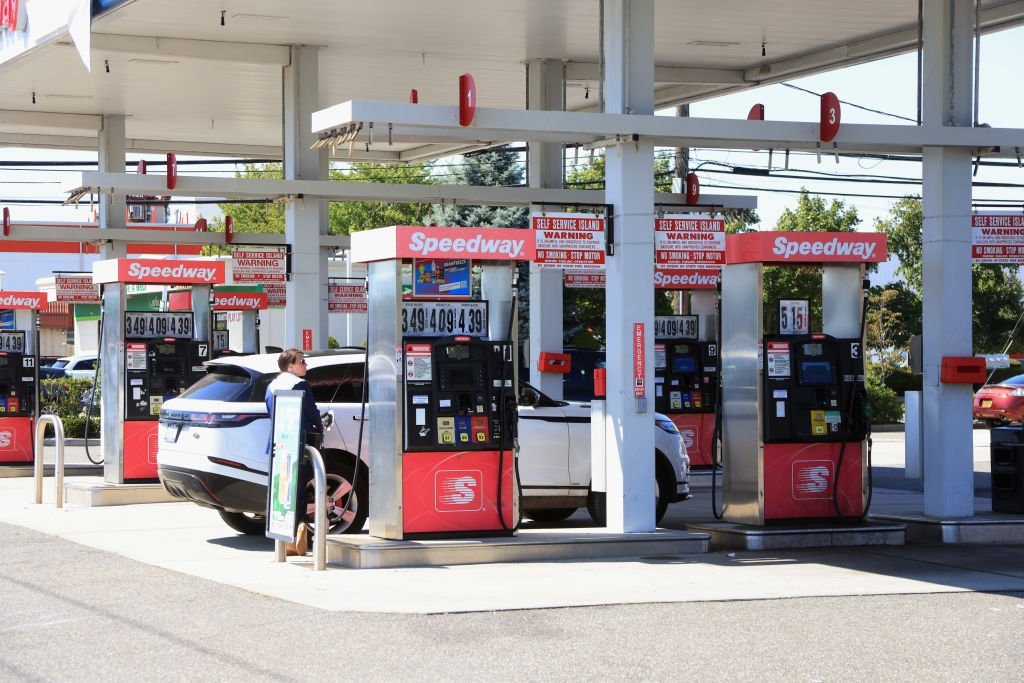
Faced with soaring U.S. gasoline prices, rising inflation, and declining public approval ratings, Trump is now scrambling to find a diplomatic exit strategy. His aim is to mitigate the war’s impact on the domestic situation and avoid jeopardizing the Republican Party’s chances of retaining its slim congressional majority in the midterm elections this coming November.
Conflict Exposes “Economic Achilles’ Heel”; China and Russia Identify Trump’s Weak Spot
Analysts suggest that the United States’ adversaries—China and Russia—may draw conclusions from this situation that work to their own advantage: although Trump may be more inclined to use military force during a potential second term, he will invariably seek a diplomatic retreat whenever he faces excessive domestic economic pressure.
Brett Bruen, a strategic consultant who served as a foreign policy aide during the Obama administration, remarked: “In this war—one personally instigated by Trump—economic pain serves as his fatal Achilles’ heel.”
For allies in Europe and Asia, the most jarring revelation has been that, prior to launching the conflict, Trump neither engaged in adequate consultation with them nor seriously assessed the immense risks they would face should Iran move to blockade the Strait of Hormuz.
Gregory Poling, an Asia expert at the Center for Strategic and International Studies (CSIS)—a Washington-based think tank—stated: “This war serves as a wake-up call for our allies, demonstrating that the Trump administration is capable of acting unilaterally and without regard for the consequences.”
U.S. officials have privately disclosed that Trump labored under the misconception that the operation against Iran would be a controlled, limited military strike—akin to the lightning operation conducted against Venezuela earlier this year, or the bombing of Iranian nuclear facilities last June. His miscalculation regarding Iran has been described as mirroring his underestimation last year of Beijing’s backlash against the tariff war—only this time, the ensuing repercussions are far more profound.
Japan, South Korea, and Taiwan Reassess: Regional Security Landscape May Shift
Analysts suggest that developments in the Middle East may send a strong signal to Asian allies—such as Japan, South Korea, and Taiwan: namely, that as President Trump seeks to de-escalate tensions with China and pursue his own strategic objectives in the Asia-Pacific, he may not necessarily give full consideration to the geopolitical and economic security of his allies.
Fueled by doubts regarding Trump’s reliability, Japan, South Korea, and Taiwan may well be compelled to make adjustments to their contingency plans for sudden security crises—such as a scenario in which mainland China attempts to seize Taiwan by force—as well as to their broader regional security architecture.
Analysts also note that European allies, having suffered economic setbacks due to their entanglement in the Middle East conflict, are bound to grow even more skeptical of Trump’s enduring resolve to support Ukraine in its struggle against Russia.
As for allies in the Persian Gulf, while they all hope for a swift end to the hostilities, they also harbor concerns that any eventual agreement Trump reaches with Iran may fail to genuinely safeguard their security.
Anwar Gargash, Diplomatic Advisor to the President of the United Arab Emirates, stated bluntly: “Any solution to end this conflict must not create a situation of perpetual instability and unrest within the Middle East region.”