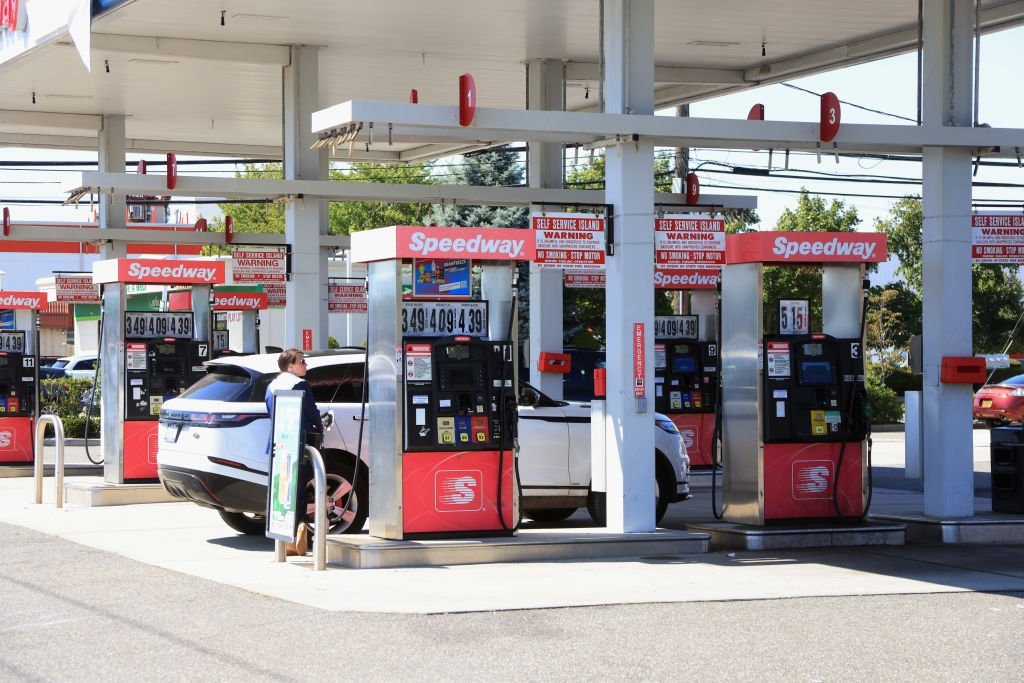
US Energy Secretary Wright stated that current US gasoline prices—starting at $3 per gallon—are likely to persist into next year. This contradicts earlier assertions by US President Trump and other senior administration officials, who had insisted that the surge in oil prices was merely a short-term phenomenon.
Speaking on CNN on Sunday (April 19), Wright remarked that gasoline prices “may have already peaked” and would certainly decline once the conflict involving the US, Israel, and Iran is “resolved.”
As for when oil prices might fall back below the $3 mark, Wright said: “I’m not sure—possibly later this year, or it might not happen until next year.”
According to data from the American Automobile Association (AAA), the national average retail price for regular unleaded gasoline surged to $4.10 per gallon last week. This represents an increase of nearly 40% compared to the average of less than $3 per gallon recorded on February 28—prior to the outbreak of hostilities involving the US, Israel, and Iran.
Just early last month, Wright had predicted that the average US gasoline price would drop below $3 per gallon “within a few weeks.”
Last week, US Treasury Secretary Bessent also told reporters: “I am optimistic that sometime between June 20 and September 20, we could see oil prices at the $3-per-gallon level.”
Prior to the beginning of this month, Trump had also repeatedly claimed that the surge in oil prices was a “short-term spike.” However, he later revised his stance, stating that by the time of the congressional midterm elections in November, oil prices would likely remain “about the same” as current levels—or could even be “slightly higher.”
Oil Prices: Rising Like a Rocket, Falling Like a Feather
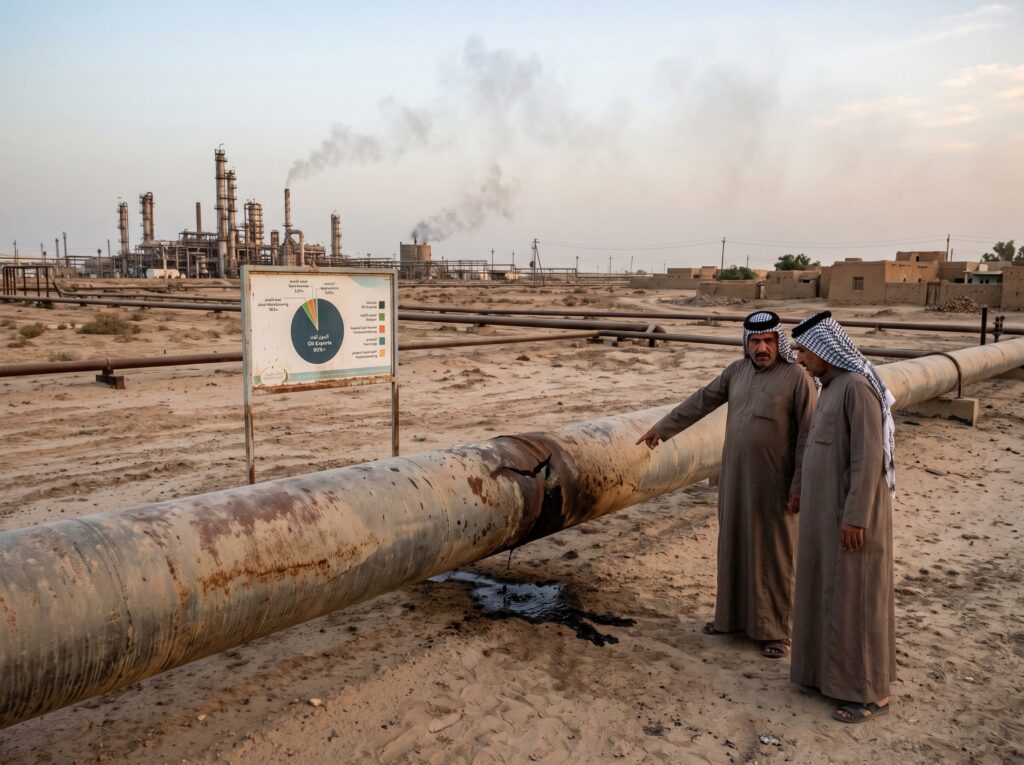
Iran responded to attacks by the US and Israel by disrupting shipping traffic in the Strait of Hormuz. As a vital conduit for global energy transport, the strait’s shipping disruptions have driven up global oil prices.
The Republican Party had already anticipated that this year’s midterm elections would be a tough battle; now, with oil prices remaining stubbornly high, it will be even more difficult for the Republicans to retain control of both the Senate and the House of Representatives. A Quinnipiac University poll conducted from April 9 to 13 revealed that 65% of respondents blamed rising gasoline prices on Trump, while 57% disapproved of his economic policies.
Both Trump and Wright have acknowledged—at different times—that oil prices are likely to remain elevated, a concession that reflects the current reality. The ceasefire agreement between the U.S. and Iran remains fragile; shipping traffic through the Strait of Hormuz is running far below normal levels, and damaged oil production facilities in the Middle East may require months to resume operations.
Dan Eberhart—an oil industry executive and Republican donor—told The New York Times that reversing the upward trend in oil prices is a far more complex undertaking than simply reopening the Strait of Hormuz. He cited a common adage within the energy sector: “Oil prices go up like a rocket and come down like a feather.”
Oil and Gas Flows Through Strait of Hormuz Could Take Years to Return to Pre-War Levels
Ron Bousso, an energy columnist for Reuters, noted that even if hostilities cease, it could take months—or even years—for oil and gas flows through the Strait of Hormuz to return to pre-war levels. The pace of recovery depends not only on whether the U.S. and Iran can reach a diplomatic ceasefire agreement, but also on logistical factors, the willingness of insurers to underwrite oil tankers, shipping rates, and whether shipowners are willing to accept the risks involved in transiting the strait.
Even as tanker loading operations gradually resume, Middle Eastern oil producers will require time to restart production at oil fields and refineries that were shut down during the conflict. This process entails recalling thousands of skilled workers and contractors.
The International Energy Agency (IEA) estimates that approximately half of the oil and gas fields in the Persian Gulf region still retain sufficient reservoir pressure to resume pre-war production levels within roughly two weeks; another 30% may take up to six weeks to resume production. The remaining 20%—hindered by low reservoir pressure, damaged equipment, and limited power supplies—could take months, or even years, to return to operation.