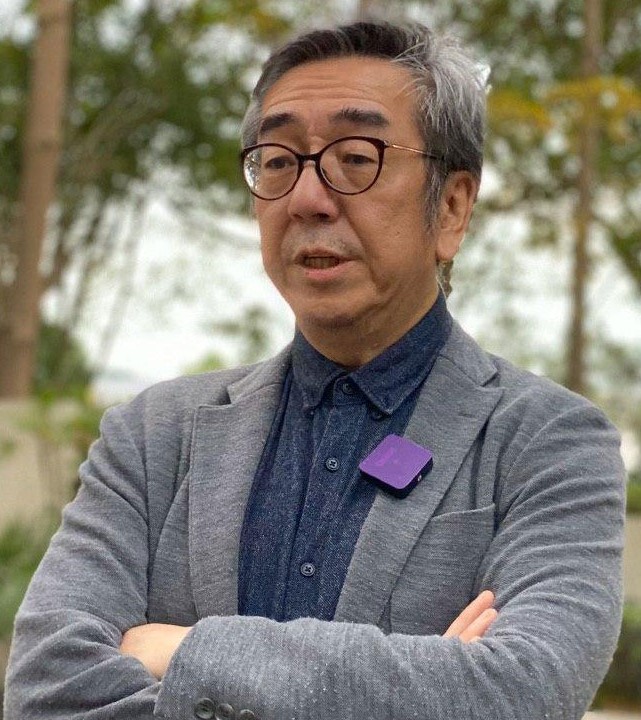
In a recent program discussing global affairs, Hong Kong commentator Joe Tay shared his views on the Iran issue, arguing that the challenges posed by Iran have moved beyond a regional Middle Eastern concern and now carry broader implications for global security. According to Tay, if tensions were to escalate further, the most difficult challenge for the international community would not only be the conflict itself but also how to rebuild political institutions and maintain stability in the aftermath.
Tay noted that since the 1979 Islamic Revolution, Iran has developed a political system centered on religious leadership, forming what is widely described as a theocratic structure. Within this system, major national decisions carry not only political considerations but also strong ideological and religious elements. He argued that such a structure differs fundamentally from the secular democratic systems common in Western countries, shaping Iran’s political behavior in ways that distinguish it from many other states.
From a geopolitical perspective, Tay emphasized that Iran’s influence extends beyond its borders through a network of regional organizations and armed groups across the Middle East. Groups such as Hezbollah in Lebanon, the Houthi movement in Yemen, and several Shiite militias in Iraq are often viewed by analysts as closely aligned with Tehran. This network of proxy forces, Tay said, has expanded Iran’s regional reach and contributed to the complexity of Middle Eastern security dynamics.
Tay also highlighted Iran’s nuclear program as one of the central concerns for the international community. If Iran were to achieve a significant breakthrough in nuclear capability, particularly in combination with its missile technology, he said it could alter the strategic balance of power in the Middle East. Such a shift would not only affect Israel and Gulf states but could also carry broader implications for European and global security.
However, Tay argued that even if a military confrontation were to occur, the most challenging aspect would not necessarily be the conflict itself but what comes afterward. The collapse of a long-standing political system without a clear reconstruction plan, he said, could leave a country vulnerable to prolonged instability.
In this context, Tay drew a historical comparison to the post-World War II reconstruction of Japan under U.S. leadership. During that period, the Allied occupation implemented sweeping institutional reforms, including the dismantling of militarist structures, the prosecution of war crimes, constitutional revisions, and the establishment of democratic governance. These reforms eventually helped transform Japan into a modern democratic state.
According to Tay, a similar framework could serve as a reference point if Iran were to experience major political change in the future. In his view, ending an existing political system alone would not be sufficient; comprehensive reforms in legal, political, and social institutions would also be necessary to prevent a power vacuum and social disorder.
At the same time, Tay pointed to evolving social dynamics within Iran itself. In recent years, segments of the younger generation have expressed dissatisfaction over economic conditions, social freedoms, and political restrictions. Several waves of protests have highlighted internal divisions and calls for reform within Iranian society. Nevertheless, Tay noted that the outside world still has limited insight into the full range of public opinion within the country, leaving considerable uncertainty about how events might unfold.
Overall, Tay concluded that the Iran issue should not be viewed solely as a regional dispute but rather as part of a broader international strategic landscape. Questions surrounding Iran’s nuclear program, its regional alliances, and the possibility of political transformation could all have consequences extending far beyond the Middle East.
In his view, if the international community seeks lasting stability, it must consider not only military and security factors but also long-term institutional arrangements and regional order. Only by addressing both dimensions, Tay suggested, could sustainable stability eventually be achieved.
In a recent program discussing global affairs, Hong Kong commentator Joe Tay shared his views on the Iran issue, arguing that the challenges posed by Iran have moved beyond a regional Middle Eastern concern and now carry broader implications for global security. According to Tay, if tensions were to escalate further, the most difficult challenge for the international community would not only be the conflict itself but also how to rebuild political institutions and maintain stability in the aftermath.
Tay noted that since the 1979 Islamic Revolution, Iran has developed a political system centered on religious leadership, forming what is widely described as a theocratic structure. Within this system, major national decisions carry not only political considerations but also strong ideological and religious elements. He argued that such a structure differs fundamentally from the secular democratic systems common in Western countries, shaping Iran’s political behavior in ways that distinguish it from many other states.
From a geopolitical perspective, Tay emphasized that Iran’s influence extends beyond its borders through a network of regional organizations and armed groups across the Middle East. Groups such as Hezbollah in Lebanon, the Houthi movement in Yemen, and several Shiite militias in Iraq are often viewed by analysts as closely aligned with Tehran. This network of proxy forces, Tay said, has expanded Iran’s regional reach and contributed to the complexity of Middle Eastern security dynamics.
Tay also highlighted Iran’s nuclear program as one of the central concerns for the international community. If Iran were to achieve a significant breakthrough in nuclear capability, particularly in combination with its missile technology, he said it could alter the strategic balance of power in the Middle East. Such a shift would not only affect Israel and Gulf states but could also carry broader implications for European and global security.
However, Tay argued that even if a military confrontation were to occur, the most challenging aspect would not necessarily be the conflict itself but what comes afterward. The collapse of a long-standing political system without a clear reconstruction plan, he said, could leave a country vulnerable to prolonged instability.
In this context, Tay drew a historical comparison to the post-World War II reconstruction of Japan under U.S. leadership. During that period, the Allied occupation implemented sweeping institutional reforms, including the dismantling of militarist structures, the prosecution of war crimes, constitutional revisions, and the establishment of democratic governance. These reforms eventually helped transform Japan into a modern democratic state.
According to Tay, a similar framework could serve as a reference point if Iran were to experience major political change in the future. In his view, ending an existing political system alone would not be sufficient; comprehensive reforms in legal, political, and social institutions would also be necessary to prevent a power vacuum and social disorder.
At the same time, Tay pointed to evolving social dynamics within Iran itself. In recent years, segments of the younger generation have expressed dissatisfaction over economic conditions, social freedoms, and political restrictions. Several waves of protests have highlighted internal divisions and calls for reform within Iranian society. Nevertheless, Tay noted that the outside world still has limited insight into the full range of public opinion within the country, leaving considerable uncertainty about how events might unfold.
Overall, Tay concluded that the Iran issue should not be viewed solely as a regional dispute but rather as part of a broader international strategic landscape. Questions surrounding Iran’s nuclear program, its regional alliances, and the possibility of political transformation could all have consequences extending far beyond the Middle East.
In his view, if the international community seeks lasting stability, it must consider not only military and security factors but also long-term institutional arrangements and regional order. Only by addressing both dimensions, Tay suggested, could sustainable stability eventually be achieved.